Substance abuse treatment for pregnant women
Substance abuse treatment for pregnant women is listed at 4,613 programs nationally. That figure sits inside 12,104 SAMHSA-listed facilities overall. This guide covers what those programs offer and how to check them.
- programs in the United States
- 4,613
- take Medicaid
- 4,100

Pregnancy changes what a treatment program needs to look like. The listings also sort by how a program delivers care. Nationally, 4,084 of these facilities offer outpatient services and 819 offer residential beds where a parent may be able to keep a newborn close. Payment is the other axis: 4,100 facilities report accepting Medicaid, and 3,862 report some private insurance. Many programs also welcome partners, grandparents or a childbirth companion into family sessions.
Questions before you enroll
- Does the center coordinate with prenatal care and allow a childbirth companion or newborn to stay when residential care is chosen?
- Does it offer child care, transportation or flexible outpatient hours for parents after birth?
- Which payment routes does it accept, including Medicaid, private insurance and any sliding fee scale?

Why treatment for pregnant women differs
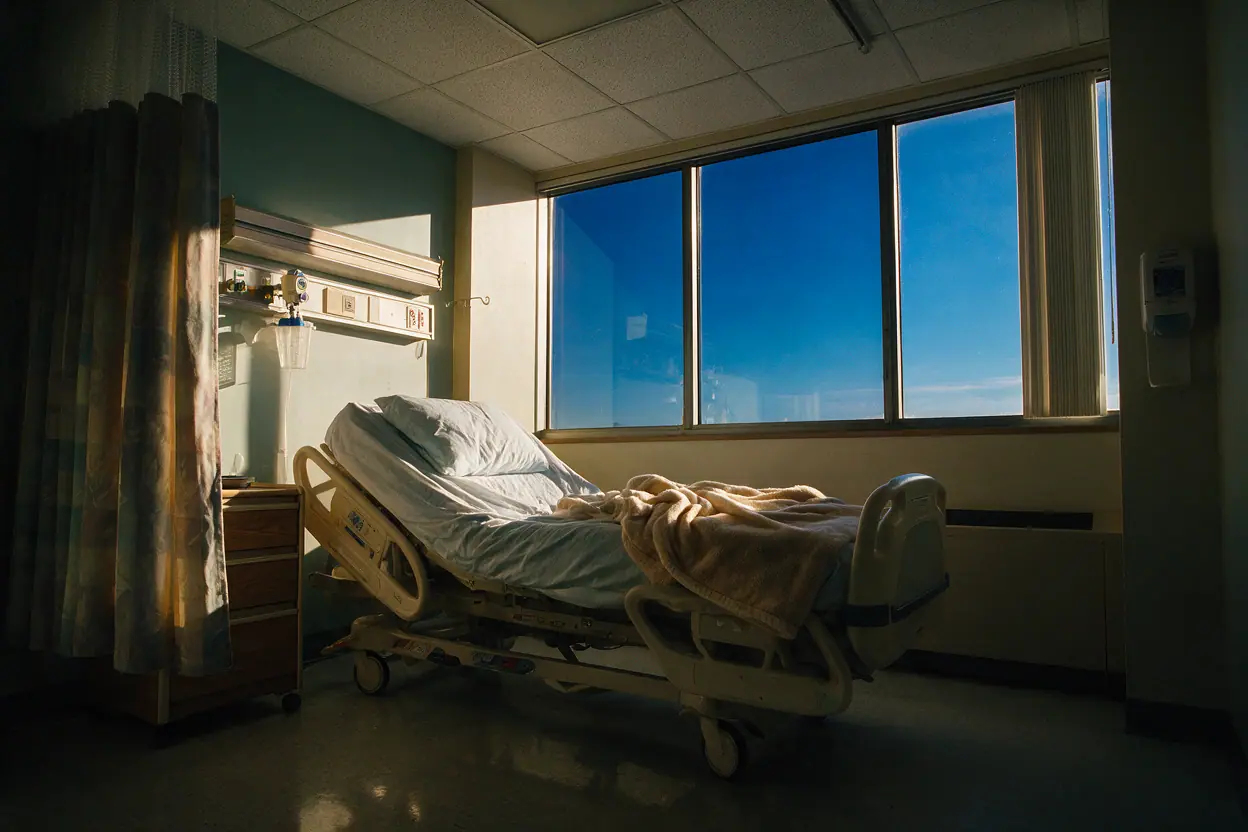
A program designed for pregnant and postpartum women arranges itself around prenatal visits, labor and delivery, and the early months after birth, which standard schedules seldom account for.
If a facility reports it accepts Medicaid, then coverage questions can go to the state Medicaid program rather than being guessed. When a program has no room for a child, ask whether a referral partner can help with child care, because that single answer often decides whether someone can attend at all.
National counts for pregnant women

Across the United States, 4,613 of the 12,104 SAMHSA-listed facilities report programs for pregnant and postpartum women, a share that varies widely by state and metro area. The listing totals describe the country as a whole, not a single town, so a large city and a rural county pull from the same national figures. When comparing places, filter the directory by substance, by whether residential beds exist, and by payment, then call the programs that remain. If only a few listings appear nearby, then widening the search to the next metro area may open residential options that a local outpatient program cannot match.
- take Medicaid
- 4,100
- accept commercial insurance plans
- 3,862
- take Medicare
- 3,026
- provide income-based pricing
- 1,857
| Program | Location | Services | Takes |
|---|---|---|---|
| Conway Regional Health Systems | Conway, AR | Outpatient | Medicaid, Medicare, Insurance |
| Desert Senita | Coolidge, AZ | Outpatient | Medicaid, Medicare, Insurance, Sliding fee |
| Narcotics Prevention Association Inc | Los Angeles, CA | Detox, IOP, Outpatient, OTP | Medicaid, Medicare, Sliding fee |
| La Trenza Counseling Inc | Commerce City, CO | IOP, Outpatient | Medicaid, Medicare |
| MCCA Inc | Danbury, CT | IOP, Outpatient | Medicaid, Insurance |
| New Hope Health Services | Washington, DC | Detox, PHP, IOP, Outpatient | Medicaid, Medicare, Insurance, Sliding fee |
| Addiction Medical Facility LLC | Seaford, DE | IOP, Outpatient, OTP | Medicaid, Medicare, Insurance |
| Urgent Care/Kenner | Kenner, LA | Outpatient | Medicaid, Medicare, Insurance |
Compiled from SAMHSA FindTreatment.gov. Offerings and payment options may vary; call to verify.
FAQ answers
How many programs offer substance abuse treatment for pregnant women?
Nationally, 4,613 of the 12,104 SAMHSA-listed facilities report programs for pregnant and postpartum women, according to the listings dated 2026. Within that group, 4,084 offer outpatient services and 819 offer residential settings. The counts describe the whole country rather than one city, so the number near a given address will be smaller. Search by state and by substance to see what is listed close to home.
Does Medicaid cover treatment for pregnant women?
Medicaid often covers substance use treatment during pregnancy, and 4,100 of the listed facilities report accepting it. Eligibility rules differ by state, so the state Medicaid program is the authority to confirm with. Private insurance appears at 3,862 facilities and may have its own network limits. Before enrolling, ask the program which plans it bills and whether a sliding fee scale exists, since that answer changes what a person actually pays.
Can a parent keep a new baby during residential treatment?
Of the 819 residential facilities listed for this group nationally, a portion accept a parent with an infant, but the directory does not label every one. Ask directly whether a newborn can stay, what supervision is required, and whether pediatric care is arranged nearby. If a facility cannot accommodate a baby, it may refer to another program or help plan child care, and that keeps a parent from being turned away at intake.
Is detox during pregnancy safe?
This guide does not give tapering or dosing advice; that belongs with a clinician who knows the pregnancy.
Compare programs before you call
With the directory, you can filter facilities by substance, by residential or outpatient care, and by whether they take Medicaid or private insurance. The SAMHSA-listed counts give a sense of national scale, and a brief call to a few programs will show what is open near you. If questions come up as you go, a referral line runs around the clock to help sort through the choices.
(844) 468-2584No cost and kept private, lines open 24/7